
Production Only
Printing, cutting, fabrication, painting, finishing, assembly, labeling, and packaging begin with an approved production specification.
Production-planning guide for a proposed Woodinville project—not code interpretation or permit service.
Prepare Woodinville inputs using the later adopted sign code, with permit threshold and application details confirmed.
Production and fabrication only. The customer or qualified project team confirms field dimensions, site conditions, approvals, mounting, access, and installation.
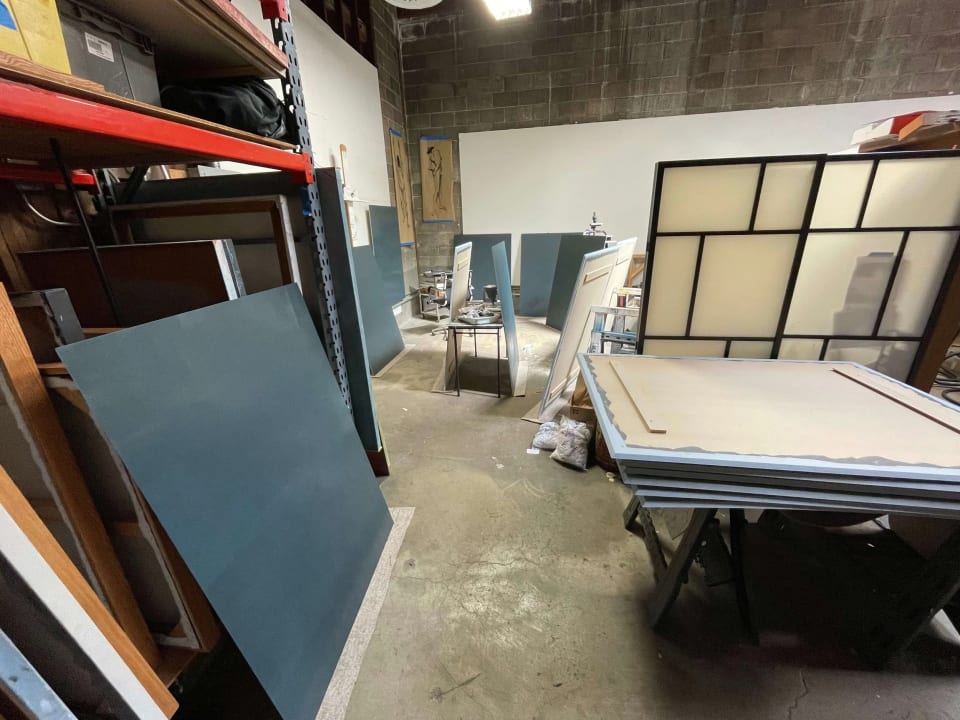
Printing, cutting, fabrication, painting, finishing, assembly, labeling, and packaging begin with an approved production specification.
The customer or qualified project team verifies the parcel, governing authority, property rules, permits, and any professional review before release.
Finished components can be labeled and packaged to the approved schedule; field measurements, mounting, access, and installation remain outside shop scope.
Panels made from approved files.
Elements produced to final specifications.
Graphics prepared for third-party installation.
Seattle Sign Squad does not perform site surveys, field measurements, permit handling, code review, engineering, electrical work, mounting design, installation labor, or installer scheduling.
The customer or qualified project team must resolve those items and provide the final approved inputs used for production. Start with the artwork setup guide and installer-ready handoff requirements.
Address to approved specification
Woodinville's recorded source notes a conflict between an older City landing page and the later adopted Ordinance 766, which defines permit thresholds and application details. The responsible project team should confirm the current adopted code and record the source used for its decision. Production should not proceed from an older summary simply because it is easier to find, and the shop should not choose between conflicting public records on the customer's behalf.
After the current path and threshold are confirmed, translate the approved proposal into fabrication details: sign category, overall dimensions, copy, material, finish, construction, viewing direction, and attachment interface. Attach the relevant project-team decision to the proof revision. If a concept crosses a threshold or changes category during design, pause the affected component until the team supplies updated approved inputs. This is more reliable than allowing the production file to drift away from the reviewed version.
Provide the approved finished size, substrate, thickness, face treatment, finish, edge condition, holes or hardware interface, and artwork at scale. For an existing cabinet, add verified opening, retainers, corner conditions, illumination environment, and orientation instead of relying on nominal dimensions.
Show the approved overall envelope and placement relationship, then specify letter or logo sizes, material build-up, thickness, returns, backs, finish, spacing, and installer-defined pattern or attachment interface. Keep qualified structural and field-surface decisions outside the shop drawing unless supplied.
Map each wall, glass lite, vehicle panel, or rigid surface with verified dimensions, seams, obstructions, viewing side, application surface, opacity, laminate, and cut paths. Define panel order and labels so the third-party applicator can match the printed sections to the approved layout.
Drawing and handoff coordination
A Woodinville title block should identify the current adopted source, the date it was checked, and the permit threshold or category confirmed by the project team. Keep that record attached to the approved dimensions and artwork revision. If an older landing page or cached summary appears in project correspondence, mark it as noncontrolling rather than leaving two sources active. Production then has one traceable basis for the final size, placement relationship, construction, and application details it has been asked to build.
When a design revision approaches or crosses the confirmed threshold, compare the old and new overall dimensions, sign category, quantity, and construction in a short change memo. Pause only the affected components while the project team rechecks the proposal. After approval, update the proof, cut files, panel map, and packing labels to the same revision. This prevents an outdated file from reaching the printer or router after the review basis has changed and keeps the installer handoff consistent with the current source decision.
Record the final dimensions, copy, artwork revision, material, finish, construction, quantities, and every qualified field interface that affects production.
Check scale, critical details, seams, edges, patterns, component breakdown, color references, and labels—not only a reduced visual proof.
Match piece marks, protective layers, patterns, loose components, and packing groups to the approved sign IDs and third-party installer sequence.
Before approving production, use this city-specific list alongside the current official source and the project team's final field information.
Official local context
Woodinville Ordinance 766 defines permit thresholds and application details. An older City landing page conflicts and should not be used alone.
The project team should check current adopted code before approving artwork, dimensions, materials, construction, and attachment details.
Production gate: Confirm the current adopted code, permit threshold, and application details; do not rely on the conflicting older page alone.
Supports: The later adopted code defines permit thresholds and application details; the older City landing page conflicts and must not be used alone.
Checked:
Materials and finished details
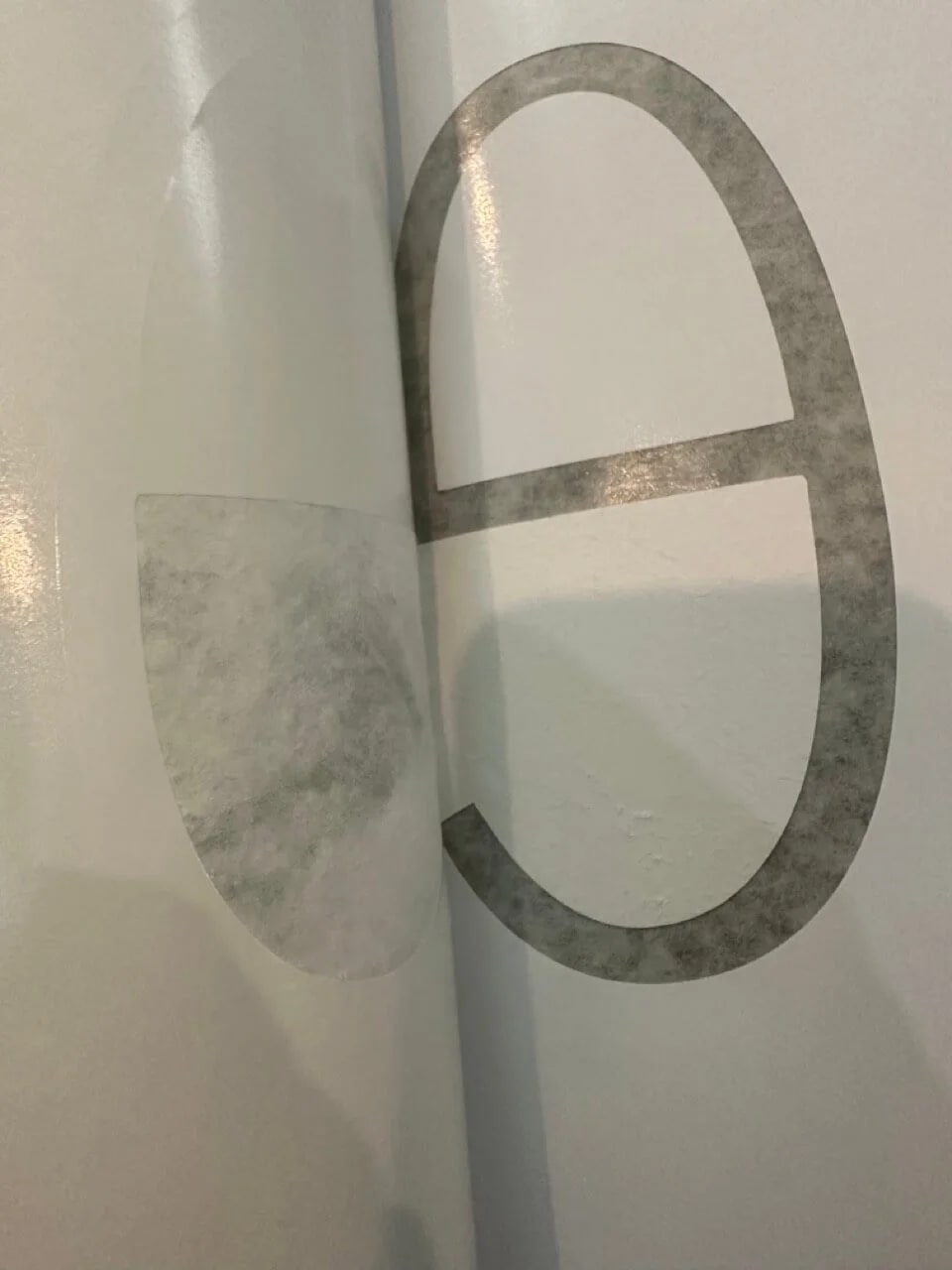
Use these sign and process details to discuss material, finish, legibility, and handoff requirements. The images illustrate production capabilities; they are not city-location claims.

The recorded research identifies Ordinance 766 as the later adopted sign code and warns that an older City landing page conflicts. The responsible project team should verify the current adopted rule and document the source and date used before approving production inputs.
Pause final fabrication for the affected component and return the revised size, category, or construction to the responsible project team. Production should resume from an updated approved drawing and revision rather than assuming the earlier review still applies.
Note the current source title and check date, confirmed sign category and threshold, approved dimensions, and the project-team contact responsible for the decision. Tie that record to the same revision number used on the fabrication proof and component schedule.
No. This is a production-market guide for orders connected with Woodinville; it does not claim a branch, staffed office, local crew, pickup point, delivery route, or field-service location.
Send the approved product, quantity, final dimensions, artwork, material, finish, exposure, packaging, and installer-handoff requirements.
Production only. The customer or qualified project team handles field verification, governing approvals, code compliance, engineering, access, mounting, and installation.