
Production Only
Printing, cutting, fabrication, painting, finishing, assembly, labeling, and packaging begin with an approved production specification.
Production-planning guide for a proposed Burien project—not evidence of a local office or crew.
Build a Burien production brief after the project team identifies the zone, sign type, proposed changes, and any applicable exemption.
Production and fabrication only. The customer or qualified project team confirms field dimensions, site conditions, approvals, mounting, access, and installation.
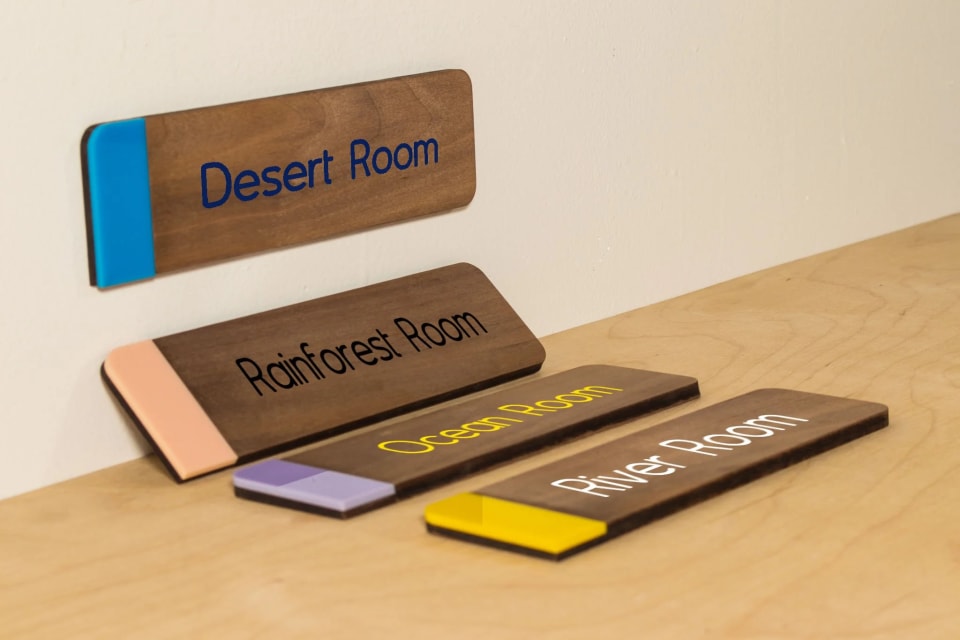
Printing, cutting, fabrication, painting, finishing, assembly, labeling, and packaging begin with an approved production specification.
The customer or qualified project team verifies the parcel, governing authority, property rules, permits, and any professional review before release.
Finished components can be labeled and packaged to the approved schedule; field measurements, mounting, access, and installation remain outside shop scope.
Panels and graphics produced from approved sizes and artwork.
Printed graphics and masks prepared from approved files.
Faces and panels reviewed from verified files and dimensions.
Seattle Sign Squad does not perform site surveys, field measurements, permit handling, code review, engineering, electrical work, mounting design, installation labor, or installer scheduling.
The customer or qualified project team must resolve those items and provide the final approved inputs used for production. Start with the artwork setup guide and installer-ready handoff requirements.
Address to approved specification
A Burien production brief should state the zone, sign type, and whether the work is a face change, structural change, new sign, or another scope identified by the project team. The City source distinguishes those situations and also identifies exemptions. That classification matters because a replacement graphic for an existing face is not the same manufacturing request as a new cabinet, support, or attachment system. Confirm the path before assuming that an existing sign can simply be copied.
For production, separate the information being retained from the information being changed. Record verified existing dimensions, the parts that will remain, the proposed face or copy, new materials, finish, edge details, and any structural interface supplied by the installer. Photographs can help explain the assembly, but they do not replace measured drawings. If the project changes size, weight, projection, supports, or attachment, obtain the appropriate approved construction information before finalizing the fabrication quote and proof.
Document the existing cabinet or panel with installer-verified face dimensions, visible opening, retainers, corner conditions, material thickness, illumination environment, and removal or insertion method. Identify whether the requested work changes only graphics or also changes the physical face, trim, or supporting assembly.
A larger panel, projecting element, new support, or dimensional-letter assembly needs more than reused artwork. Supply the approved overall envelope, weight or construction constraints, projection, material build-up, and qualified attachment information. Keep those items distinct from shop recommendations about printable or fabricable materials.
For interior panels, decals, or wall-graphic components, confirm the final surface dimensions and how artwork crosses seams, corners, doors, or separate panels. Define the substrate, finish, overlap or bleed, panel numbering, viewing sequence, and third-party application plan before files are imposed for production.
Drawing and handoff coordination
A Burien replacement proof should include a simple retained-versus-new component table. Identify the cabinet, frame, supports, trim, lighting, or attachment that remains, then identify the face, graphic, panel, letter, or finish that changes. Tie that table to the project team's face-change, structural-change, or exemption classification. This prevents a production note such as match existing from concealing an unmeasured opening, changed material thickness, or altered support condition that needs further review.
Before fabrication, compare the installer measurement sheet with the artwork at full scale or a clearly stated scale. Check visible opening, bleed behind retainers, corner radii, seams, orientation, and any edge returns. If the replacement ships as several panels or faces, label them by cabinet position and viewing direction rather than only by artwork name. Include protective masking and unpacking order in the handoff so finished surfaces and registration edges remain identifiable at the site.
Record the final dimensions, copy, artwork revision, material, finish, construction, quantities, and every qualified field interface that affects production.
Check scale, critical details, seams, edges, patterns, component breakdown, color references, and labels—not only a reduced visual proof.
Match piece marks, protective layers, patterns, loose components, and packing groups to the approved sign IDs and third-party installer sequence.
Before approving production, use this city-specific list alongside the current official source and the project team's final field information.
Official local context
Burien's sign chapter distinguishes proposals by zone and sign type, and treats face changes, structural changes, and stated exemptions differently.
Production should follow the version approved by the project team. The shop does not decide whether a face change, structural change, or other scope is exempt.
Production gate: Confirm the zone, sign category, face or structural change, and any claimed exemption before approving final production details.
Supports: Zone, sign type, face or structural changes, and stated exemptions determine the approval path.
Checked:
Materials and finished details
Use these sign and process details to discuss material, finish, legibility, and handoff requirements. The images illustrate production capabilities; they are not city-location claims.
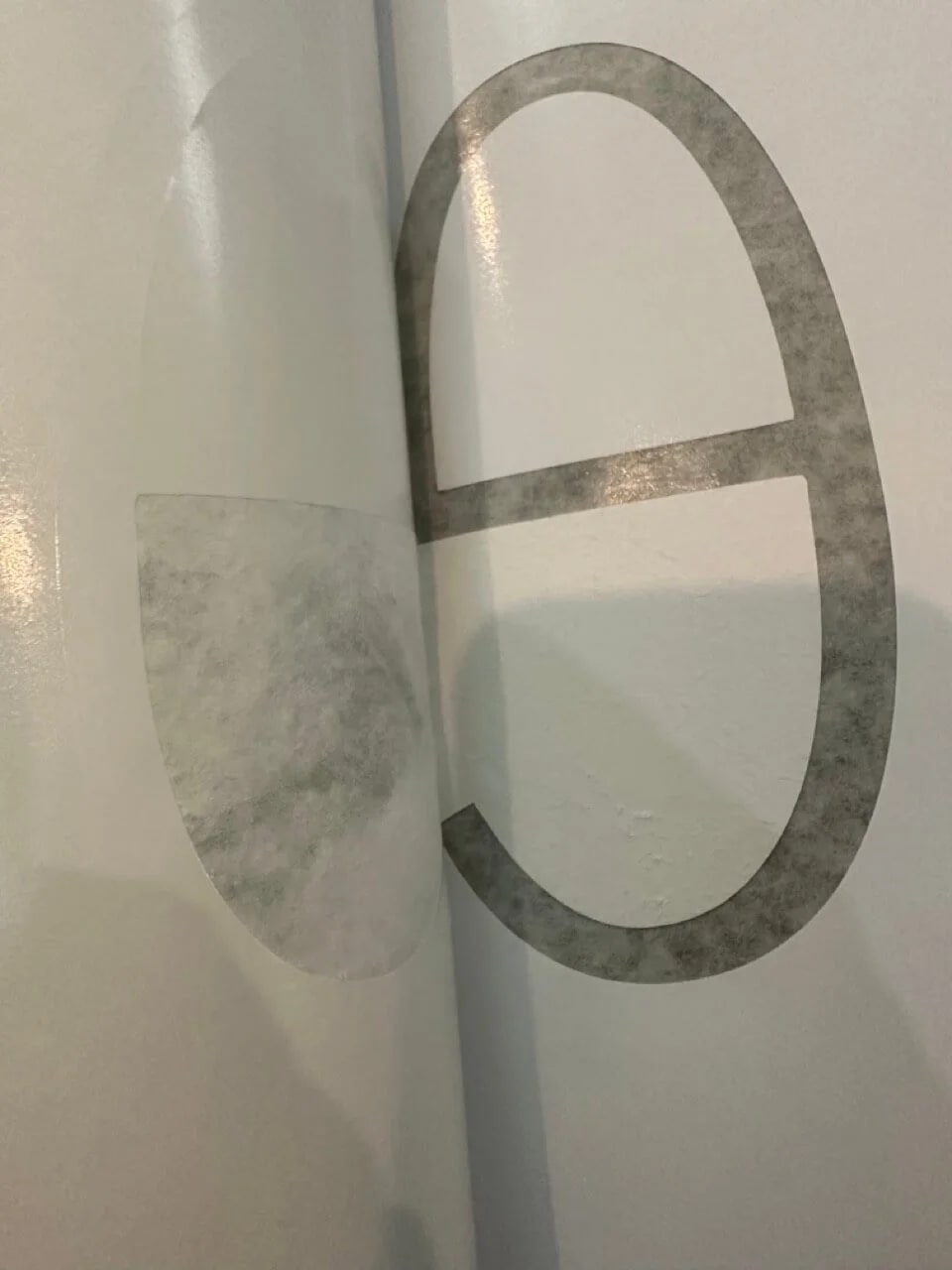
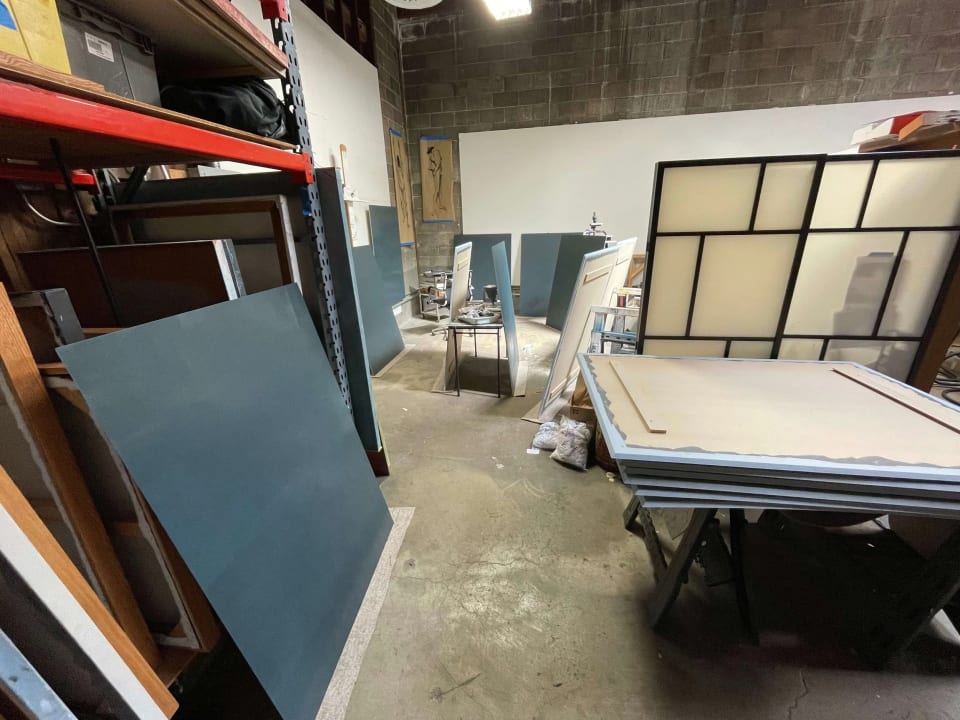
A face change can focus on the verified face, visible opening, retainers, material, and graphics. A structural change can affect the sign envelope, weight, supports, projection, or attachment and therefore needs approved construction information from the responsible project team before fabrication.
Photographs are useful for identifying the assembly and visible conditions, but they are not reliable final measurements. The customer or installer should provide verified face size, visible opening, retainer depth, corner shape, material thickness, and orientation before a replacement component is released.
The customer or qualified project team should confirm the current classification and any exemption with the responsible authority. The shop uses the resulting approved scope to produce the specified face, panel, lettering, or other component; it does not make the exemption determination.
No. This is a production-market guide for orders connected with Burien; it does not claim a branch, staffed office, local crew, pickup point, delivery route, or field-service location.
Send the approved product, quantity, final dimensions, artwork, material, finish, exposure, packaging, and installer-handoff requirements.
Production only. The customer or qualified project team handles field verification, governing approvals, code compliance, engineering, access, mounting, and installation.